Step Back in Time: Discovering the Zubrnice Nature Museum
Nestled in the rolling hills of the Bohemian Central Highlands, the Zubrnice Nature Museum offers a rare, immersive window into the soul of traditional rural life. As Bohemia’s youngest open-air museum, this charming village serves as a living time capsule, preserving the architectural heritage and folklore of the Czech countryside against the stunning backdrop of the Český středohoří landscape.
Architectural Treasures and Historic Displays
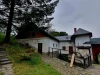
Zubrnice is far more than a collection of buildings; it is an authentic village setting where history breathes. Visitors can wander through a diverse array of wooden, half-timbered, and brick structures that define the aesthetic of historical Bohemia. The village square is anchored by a remarkable Baroque well dating back to 1695, providing a picturesque centerpiece to your exploration.
Must-See Exhibits
- The Village Shop: Step into a meticulously recreated mid-19th-century merchant’s store, complete with period goods and authentic atmosphere.
- The Village School: Experience the modest environment where local children were educated in past generations.
- St. Mary Magdalene Church: This historic landmark hosts rotating exhibitions that highlight the religious and social history of the region.
- Water Mill: Located on the banks of the Luční potok, this functional mill demonstrates the ingenious water-powered techniques that once sustained local industry.
Exploring the Five Sightseeing Circuits
To ensure you don’t miss a detail, the museum is organized into five distinct circuits, each offering a unique perspective on the past:
- Historic Village: A comprehensive tour of the village center, including the school, church, and merchant’s house.
- Agricultural Estate No. 61: Home to the fascinating “Hops that Built Houses” exhibition, which explains how the region’s hop-growing industry shaped the local architecture and landscape.
- House from Loubí: A venue dedicated to diverse, rotating cultural exhibitions that keep the museum experience fresh and educational.
- Mlýn Týniště: A journey into the Mlýnské údolí valley to witness traditional milling practices in action.
- Zubrnice Railway Museum: A treat for transport enthusiasts, this circuit showcases the history of local infrastructure at the historic station.
Visitor Information for Your 2026 Trip
Planning your visit is straightforward, though it is important to note the seasonal schedule. The museum operates from April through October, with extended hours during the peak summer months of July and August.
영업시간 및 입장료
개관 시간:
- 7 월 8 월: Tuesday to Sunday, 09:00 – 18:00
- 구월: Tuesday to Sunday, 09:00 – 17:00
- 십월: Saturday to Sunday, 10:00 – 16:00
Note: The museum is closed on Mondays, except for public holidays.
Admission Prices (2026):
- Regular: 130 CZK
- Reduced (Youth/Seniors): 70 CZK
- Family Ticket: 280 CZK (2 adults + children)
Plan Your Bohemian Adventure Today
Whether you are a history buff, a lover of traditional architecture, or simply looking for an idyllic escape from the bustling streets of Prague, the Zubrnice Nature Museum delivers an unforgettable experience. Its commitment to preservation and education makes it a cornerstone of Czech heritage tourism.
Ready to explore? Pack your camera and comfortable walking shoes, and head to the Bohemian Central Highlands for a day of discovery. For the latest updates, visit the official Zubrnice Nature Museum website or contact them directly at +420 475 228 267 to verify specific exhibition details before you travel.
자주 묻는 질문
What is the Zubrnice Nature Museum?
It is an open-air museum in the Bohemian Central Highlands showcasing historic folk architecture and rural life.
What can I see at the museum?
You can explore historic houses, a water mill, an old village shop, a school, and the St. Mary Magdalene Church.
Is the Zubrnice museum part of a larger organization?
Yes, it joined the National Open Air Museum in 2018, which supports its ongoing preservation efforts.
What is the focus of the Agricultural Estate No. 61 exhibition?
It features the exhibition ‘Hops that built houses,’ explaining how hop cultivation shaped the local landscape.
Are there functional mills at the museum?
Yes, visitors can see a small water mill in the village and the functional Týniště mill in Mlýnské údolí.