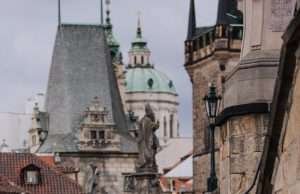
Capturing the timeless magic of the Czech capital requires more than just a smartphone; it demands an eye for the golden light that bathes the spires of the Vltava River. As we move through the summer of 2026, the cobblestone streets of the historical center are buzzing with life, offering endless inspiration for your camera. Below, we showcase a curated collection of Prague Old Town photos taken by a professional local photographer, designed to help you visualize your next visit to this fairytale destination.
Mastering the Golden Hour in the Heart of Prague
The secret to breathtaking Prague Old Town photos is timing. In June 2026, the sun rises early, casting a soft, amber glow over the Astronomical Clock and the Týn Church that you simply cannot replicate at midday.
Recommended Vantage Points
- Old Town Square: Arrive before 6:00 AM to capture the square without the midday crowds.
- Charles Bridge: Position yourself near the statues to frame the castle in the background as the mist lifts off the river.
- Old Town Hall Tower: For a bird’s-eye view, the entrance fee remains at 300 CZK for adults, offering an unbeatable panorama of the red-tiled roofs.
Essential Gear for City Photography
While modern mobile devices are impressive, carrying a dedicated camera with a wide-angle lens can significantly elevate your portfolio. A tripod is highly recommended for those seeking to capture crisp long-exposure shots of the city’s illuminated monuments after dusk.
Remember that the narrow alleyways of the Old Town can be dark, so ensure your equipment has a low aperture capability. Carrying an extra battery is essential, as the constant shifting between sunlight and deep shadows will drain your power quickly during a full day of exploration.
Navigating the Crowds for the Perfect Shot
Prague is one of Europe’s most beloved destinations, which means popular spots can become congested. To capture authentic Prague Old Town photos, look for the hidden courtyards tucked away from the main tourist thoroughfares.
By stepping just one block off the main path, you will find quiet, ivy-covered walls and charming doorways that offer a more intimate perspective of the city. Patience is your greatest tool; wait a few minutes for a tour group to pass, and you will often find the scene clears completely for a fleeting, perfect moment.
Professional Tips for Post-Processing
Once you have returned home with your memory cards full, the editing process begins. Focus on enhancing the warm tones of the sandstone buildings while keeping the deep blues of the morning sky natural.
Avoid over-saturating the vibrant colors of the residential buildings, as the charm of Prague lies in its subtle, weathered beauty. Subtle adjustments to your contrast and clarity sliders will make your images pop, ensuring your travel memories look as professional as the ones featured in our gallery today.
Whether you are a professional photographer or a casual traveler, Prague offers a visual feast that is difficult to match anywhere else in the world. We hope these Prague Old Town photos have inspired you to pack your camera and head out on your own photographic adventure this summer.
Are you planning your 2026 trip to the Czech Republic? Book a professional photography walking tour with us today to learn the local secrets and capture the city like a pro!
Frequently Asked Questions
Where is the best place to take photos in Prague Old Town?
The Old Town Square, specifically the Astronomical Clock and Tyn Church, offers the most iconic photo opportunities.
When is the best time of day to photograph Prague?
Early morning at sunrise is best to avoid crowds and capture the softest light on historical architecture.
Do I need a professional photographer in Prague?
While not necessary, hiring a professional can help capture high-quality memories of your trip without the stress of self-portraits.
Is Prague Old Town photogenic at night?
Yes, the city is beautifully illuminated at night, making it perfect for long-exposure photography.
Are there restricted areas for photography in Prague?
Most public areas are open for photography, but always check for ‘no photography’ signs inside specific churches or museums.